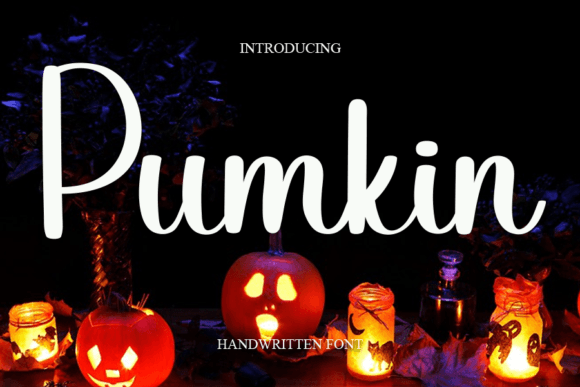
Pumkin: A Friendly Handwritten Font for Every Project
Imagine finding a typeface that feels like a warm, familiar friend—ready to add a touch of personality and charm to any creative endeavor you can dream up. That's the promise of Pumkin, a fun and friendly handwritten font. Whether you’re using it for crafts, digital design, presentations, or making greeting cards, this font has the potential to become your favorite go-to font, no matter the occasion!
At its core, Pumkin is a display font designed to capture the authentic, imperfect beauty of real handwriting. It’s not a stiff, formal script font; it’s a modern typography asset with a relaxed, approachable vibe. This makes it an excellent choice for projects where you want to connect with your audience on a personal level. Think of it as a tool for injecting warmth and authenticity into your designs, helping them stand out in a sea of more rigid sans serif and serif fonts.
Where Can Pumkin Shine? Creative Use Cases
The versatility of this creative font is one of its strongest points. Its friendly character makes it suitable for a wide array of applications, helping you achieve a polished and cohesive look.
- Brand Identity & Logo Design: For businesses with a casual, artisan, or personal brand—like a bakery, a boutique, or a lifestyle blog—Pumkin can form the cornerstone of a memorable logo. It helps establish a brand identity that feels genuine and inviting.
- Editorial & Packaging Design: Use it for headlines in magazines, book covers, or product packaging to draw the eye. It works beautifully for food labels, cosmetic branding, or any packaging design where a handmade, premium feel is desired.
- Digital Presence: Make social media graphics pop with engaging quotes or announcements. It’s also effective for web design elements like short headlines or call-to-action buttons, adding personality to your digital storefront. Consider it for creating standout poster design or invitations that demand attention.
- Personal Projects & Merchandise: From custom greeting cards and wedding invitations to T-shirt designs and mugs, this handwritten font adds a personal, crafted touch that elevates everyday items into special keepsakes.
Tips for Using Pumkin Effectively
To get the most out of this font download, a little strategic thinking goes a long way. Here’s how to ensure it works seamlessly within your designs:
Prioritize Readability. While Pumkin is clear for a handwritten style, it’s best used for shorter blocks of text like headings, subheadings, or pull quotes. Pair it with a clean, legible sans serif font for body text to maintain a balanced hierarchy and ensure your message is easily read.
Match the Mood. Consider the overall tone of your project. Pumkin’s playful and friendly nature is perfect for cheerful, approachable, and creative contexts. It might not be the best fit for ultra-corporate or highly technical materials, where a more neutral typeface would be appropriate.
Test Your Font Pairings. A strong font pairing is key to professional design. Try combining Pumkin with a simple, geometric sans serif for a modern contrast, or with a classic serif for an interesting mix of old and new. Always test the combination in your specific layout to see how the styles interact.
Review the License. Before finalizing any commercial font for a project, especially for client work or merchandise, always confirm the license terms. Ensuring the font is cleared for your intended use is a crucial step in professional design workflow.
Choosing the right typeface is a foundational design decision that impacts visual consistency, brand recognition, and the overall professional presentation of your work. A well-crafted font like Pumkin offers more than just letters; it offers a feeling and a voice. By selecting a font that aligns with your project’s personality, you’re not just completing a design—you’re crafting an experience that resonates. For creators looking for that perfect blend of friendliness, versatility, and style, exploring what Pumkin has to offer is a wonderful place to start.